10 Savvy Tips for Clean Eating on a Budget
10 Savvy Tips for Clean Eating on a Budget
Eating healthy doesn’t have to break the bank! This guide shows you how to enjoy nutritious meals while keeping your budget in check. With practical tips and easy recipes, you can make clean eating simple and affordable. Say goodbye to the myth that healthy food is always expensive—let’s get cooking without the guilt!
Bulk Buying: Maximizing Savings on Healthy Staples
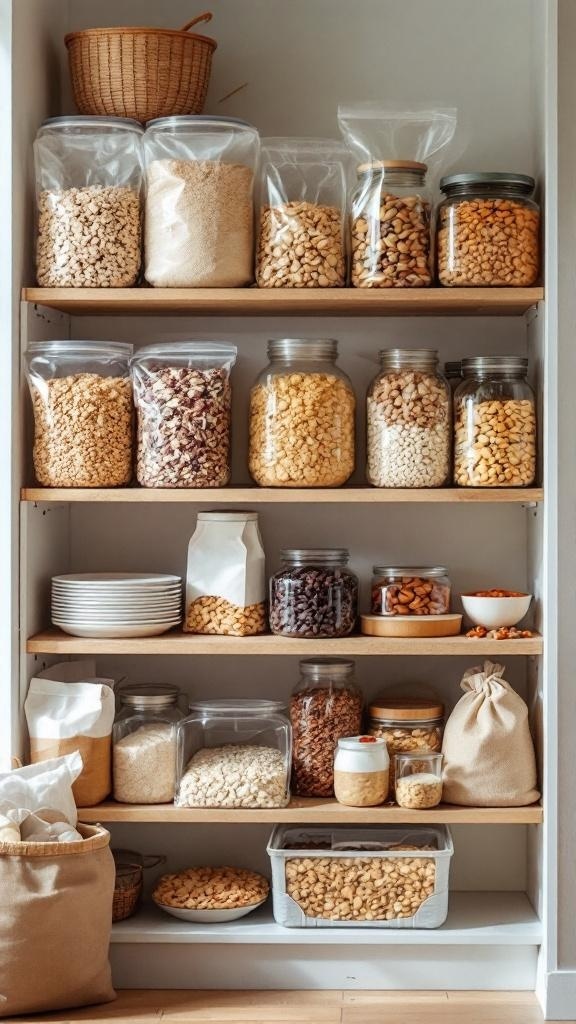
When it comes to clean eating on a budget, bulk buying is a smart move. The image shows a well-organized pantry filled with various healthy staples. You can see jars and bags of nuts, grains, and beans, all neatly stored. This setup not only looks great but also makes it easy to grab what you need.
Buying in bulk often means lower prices per unit. Items like oats, rice, and legumes are perfect for this. They have a long shelf life, so you won’t have to worry about them going bad quickly. Plus, you can portion them out into smaller containers at home, just like in the image.
Another benefit of bulk buying is reducing packaging waste. By using reusable jars and bags, you help the environment while saving money. It’s a win-win! You can also experiment with different recipes using these staples, making your meals both healthy and diverse.
So, next time you’re at the store, check out the bulk section. You’ll be surprised at the variety available. Stocking up on these healthy staples will keep your pantry full and your budget intact!
Meal Prep for Cost Savings
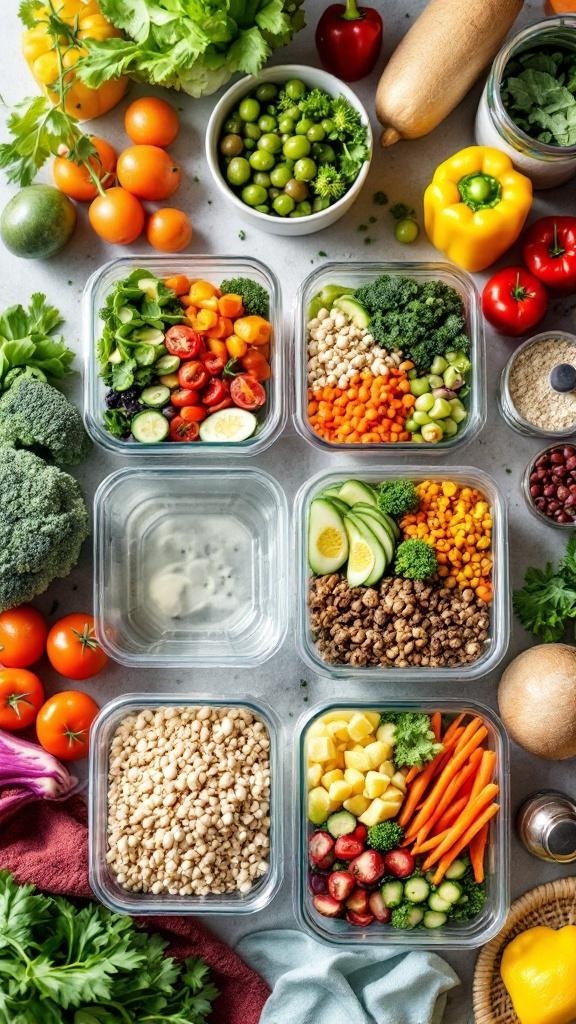
Meal prepping is a fantastic way to save money while eating healthy. The image shows a colorful spread of fresh vegetables, grains, and proteins neatly packed in glass containers. This setup not only looks appealing but also makes it easy to grab a healthy meal on the go.
By preparing meals in advance, you can buy ingredients in bulk and reduce food waste. For instance, using seasonal produce can cut costs significantly. The vibrant greens, bright oranges, and rich reds in the image highlight the variety you can incorporate into your meals.
Start by selecting a few recipes for the week. Gather ingredients like quinoa, beans, and a mix of your favorite veggies. Chop everything up and portion them into containers. This way, you have balanced meals ready to go, saving both time and money.
Don’t forget to include some healthy snacks too! The image features fruits and nuts that can be easily packed for a quick bite. Meal prep not only keeps your diet on track but also helps you stay within your budget.
GET 21 QUICK & EASY LOW-CALORIE MEAL PLANS
DIY Snacks: Healthy and Budget-Conscious

When it comes to snacking, making your own treats can be both fun and economical. The image shows a delightful bowl of energy balls, perfect for a quick bite. These snacks are not only healthy but also easy to prepare at home.
Energy balls typically consist of simple ingredients like oats, nut butter, honey, and seeds. You can customize them with your favorite flavors, such as cocoa powder or dried fruits. Just mix everything together, roll them into balls, and you have a nutritious snack ready to go!
In the background, you can spot some crispy fruit chips, which are another great DIY option. They add crunch and sweetness without the added sugars found in many store-bought snacks. Making these at home can save you money while keeping your snacks healthy.
So, gather your ingredients and get creative! Homemade snacks can fit perfectly into a clean eating lifestyle without breaking the bank.
Smart Substitutions for Expensive Ingredients
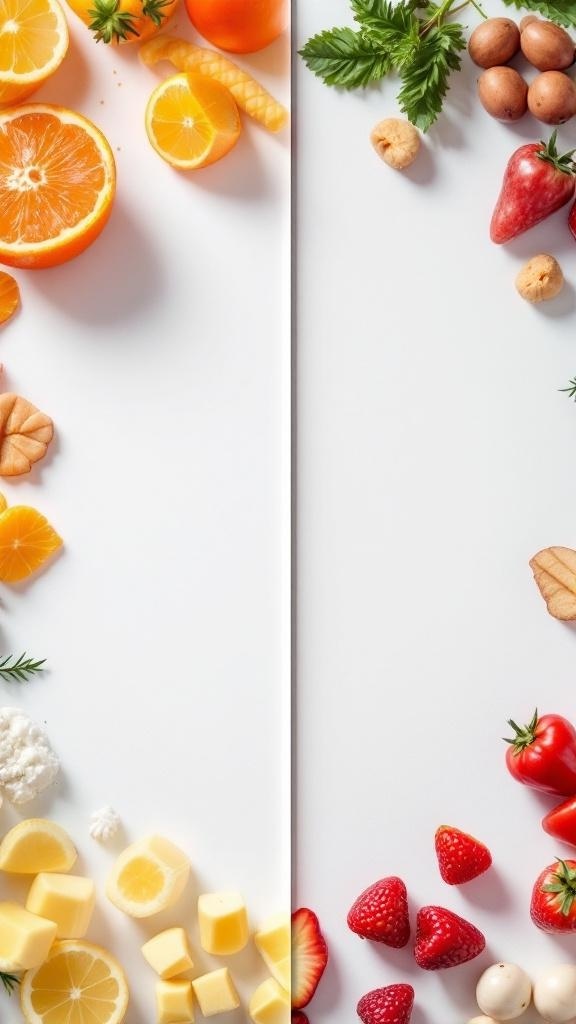
Eating healthy doesn’t have to break the bank. The image shows a colorful spread of fruits and vegetables, highlighting the beauty and variety of clean eating. On one side, you see vibrant oranges and lemons, while the other features fresh strawberries and tomatoes. This visual reminds us that there are plenty of affordable options to fill our plates with nutritious foods.
When it comes to smart substitutions, think about swapping out pricier ingredients for budget-friendly alternatives. For example, instead of using expensive nuts, try seeds like sunflower or pumpkin. They pack a similar crunch and are often cheaper.
Another great swap is using frozen fruits and veggies instead of fresh ones. They’re just as nutritious and can be more affordable, especially when certain produce is out of season. Plus, they last longer, reducing waste.
Herbs can also be pricey, but growing your own is a fun and cost-effective option. If you don’t have space, consider using dried herbs instead. They can add flavor without the added cost.
Overall, the key is to be creative and flexible. With a little planning, you can enjoy a healthy diet without overspending.
Seasonal Produce for Budget-Friendly Meals
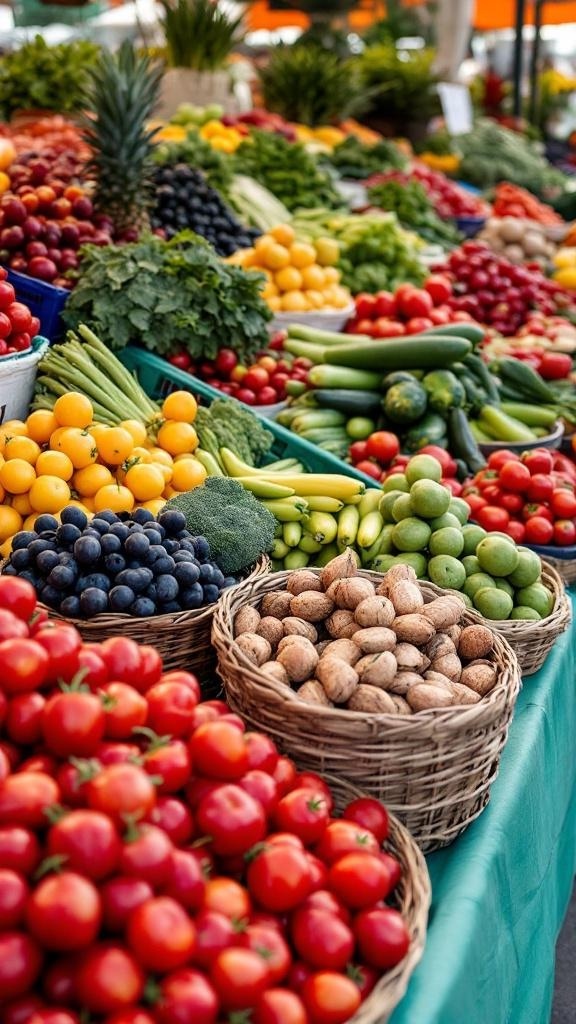
Shopping for seasonal produce is a smart way to eat healthy without breaking the bank. The vibrant display of fruits and vegetables at a local market is a perfect example of what’s available. From bright oranges to leafy greens, these fresh options not only look appealing but also pack a nutritional punch.
When you choose seasonal items, you often find better prices and fresher flavors. For instance, in summer, you might see an abundance of tomatoes, cucumbers, and berries. These can be used in salads, smoothies, or as snacks. In fall, root vegetables and squash come into play, perfect for hearty soups and stews.
Buying from local farmers' markets can also save you money. You get to support local growers while enjoying produce that’s often picked at its peak ripeness. Plus, the experience of wandering through the stalls is enjoyable and can inspire new meal ideas.
To make the most of seasonal produce, plan your meals around what’s available. This not only helps you stick to your budget but also keeps your meals exciting and varied. Try incorporating a mix of colors and textures to keep things interesting on your plate.
Affordable Protein Sources for Clean Eating
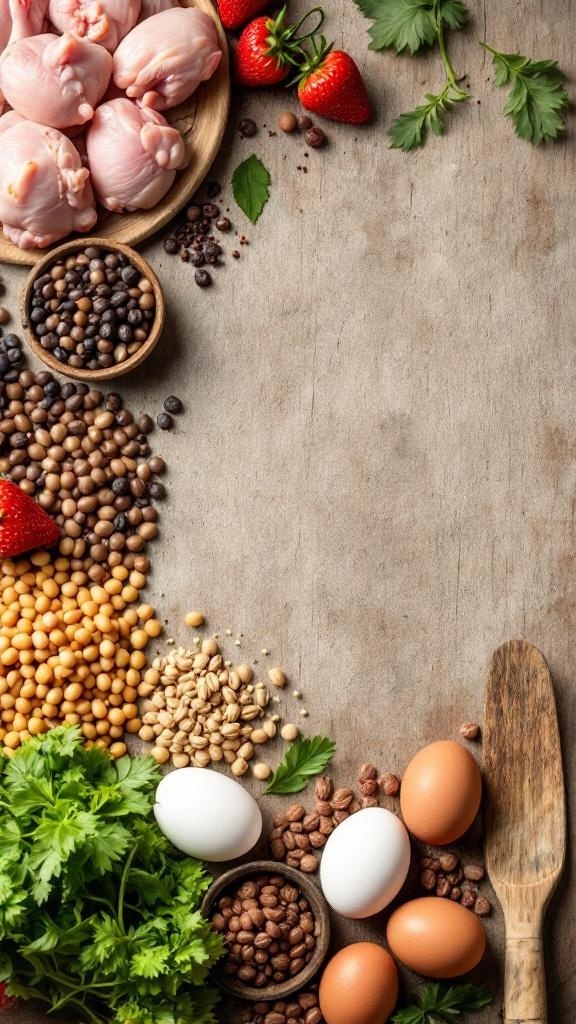
Eating healthy doesn’t have to break the bank. The image shows a colorful spread of affordable protein sources that can fit into any budget. You’ll see chicken, eggs, and various legumes, all packed with nutrients.
Chicken is a great option for lean protein. It’s versatile and can be used in many dishes. You can grill it, bake it, or toss it in a stir-fry. Eggs are another fantastic source. They are not only inexpensive but also quick to prepare. Scrambled, boiled, or in an omelet, they make for a filling meal.
Legumes like lentils and beans are budget-friendly and high in protein. They can be added to soups, salads, or even made into veggie burgers. The nuts and seeds in the image provide healthy fats and can be great snacks or toppings for meals.
Don’t forget about the fresh herbs and strawberries! They add flavor and nutrients without extra cost. Incorporating these affordable protein sources into your meals can help you eat clean without overspending.
GET 8-WEEKS OF WORKOUTS TO LOSE INCHES
Smart Grocery Shopping Strategies

Grocery shopping can be a fun experience, especially when you have a plan. The image shows a person in a grocery store, checking a list while standing next to a cart filled with fresh fruits and vegetables. This simple act of preparation can make a big difference in your shopping trip.
First, always make a list before heading to the store. This helps you stick to your budget and avoid impulse buys. In the photo, the shopper is focused on their list, which is a smart move. It keeps you organized and ensures you get everything you need.
Next, consider shopping during sales or using coupons. Many stores have weekly deals that can save you money. Look for discounts on items you regularly buy. This way, you can stock up on healthy foods without breaking the bank.
Another tip is to shop the perimeter of the store. This is where fresh produce, dairy, and meats are usually located. The center aisles often contain processed foods that can be more expensive and less healthy. The shopper in the image is likely making smart choices by focusing on fresh items.
Finally, don’t forget to compare prices. Some stores offer loyalty programs that can help you save even more. Keep an eye out for these opportunities. With a little planning, you can enjoy clean eating without overspending.
Creative Leftover Recipes to Reduce Waste
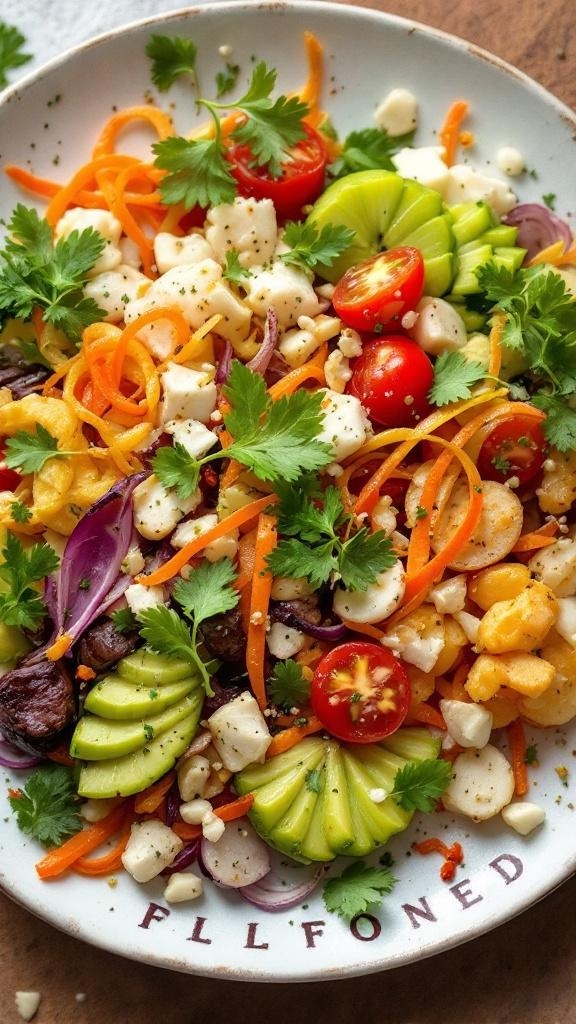
Leftovers can be a goldmine for creating new meals. Take a look at this vibrant salad, bursting with color and flavor. It’s a perfect example of how you can transform leftover veggies into something fresh and exciting.
This salad features spiralized carrots, crunchy cucumbers, and juicy cherry tomatoes, all topped with fresh herbs. It’s a great way to use up any extra produce you have lying around. Just toss everything together with a light dressing, and you’ve got a delicious meal.
To make this salad, gather your leftover vegetables. You’ll need:
- Spiralized carrots
- Cucumber slices
- Cherry tomatoes
- Fresh herbs like cilantro
- Optional: cheese or nuts for added texture
Mix these ingredients in a bowl, drizzle with olive oil and lemon juice, and season with salt and pepper. This simple recipe not only reduces waste but also keeps your meals healthy and budget-friendly.
Cooking in Batches for Efficiency and Savings

Batch cooking is a fantastic way to save time and money while eating healthy. The image shows a large pot filled with a colorful vegetable stew, simmering away on the stove. Around it, you can see containers of prepped ingredients, ready for future meals. This setup not only looks inviting but also highlights the beauty of meal prep.
When you cook in batches, you can prepare several meals at once. This means less time spent cooking during the week and more time enjoying your meals. Plus, it helps reduce food waste, as you can use up ingredients before they spoil. A big pot of stew like the one in the image can be made with simple ingredients like carrots, potatoes, and beans, making it both nutritious and budget-friendly.
To get started, gather your favorite vegetables, grains, and proteins. Chop everything up and cook them together in a large pot. Once it's ready, portion out the meals into containers. You can freeze some for later or keep them in the fridge for easy access throughout the week. This method not only saves money but also ensures you always have healthy options on hand.
Planning Meals Around Weekly Sales
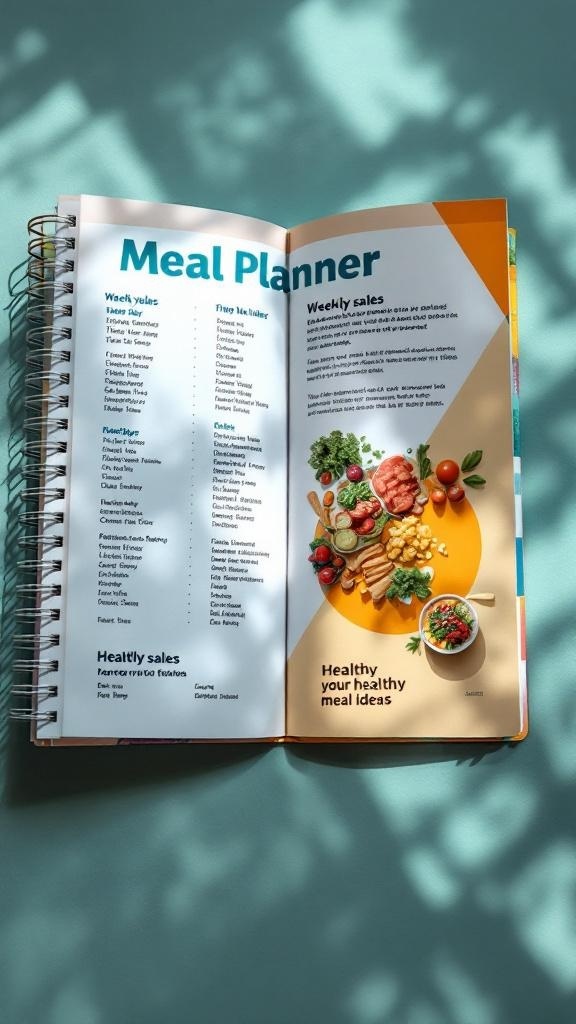
Planning meals around weekly sales is a smart way to eat healthy without breaking the bank. The image shows a meal planner filled with various meals and their prices, highlighting discounts and weekly offers. This kind of planning helps you make the most of your grocery budget.
Start by checking your local grocery store's weekly ads. Look for items on sale that fit into your meal plans. For example, if chicken is on sale, you can plan several meals around it. Pair it with seasonal vegetables that are also discounted to create balanced and nutritious meals.
Using a meal planner like the one in the image can help keep your meals organized. Write down the meals you plan to cook, and note the ingredients you need. This not only helps you stay on track but also reduces impulse buys at the store.
Don't forget to incorporate snacks and sides that are on sale too. If nuts or fruits are discounted, add them to your shopping list. This way, you can enjoy healthy snacks throughout the week without overspending.
Struggling to Stay on Track with Your Eating?
You’re not alone. One of the biggest obstacles I see people
face is not knowing what to eat. Between busy schedules, endless diet
advice online, and trying to cook healthy meals that actually taste good—it’s
easy to feel stuck or overwhelmed.
That’s why I created my 21 Quick & Easy Custom
Low-Calorie Meal Plans Program. These plans are built specifically for
you—your goals, your lifestyle, and your food preferences. You won’t find
any cookie-cutter diets here. Just real, satisfying meals that help you stay
full, energized, and on track without the stress.
✅ No more guessing.
✅
No more skipping meals or eating “diet food” you hate.
✅
Just a clear, doable plan that fits your life.
👉 Ready to eat better,
feel better, and finally make progress? [Click here to get your custom meal plans today.]
Not Seeing the Inches Drop No Matter What You Do?
If you’re working out but still not seeing the results in
the mirror, I hear you. So many people come to me after months of doing cardio
or random workouts—and still struggling to lose inches or tone up. The truth
is, your body needs more than just movement. It needs a proven strategy.
My 8-Week Workout Program to Lose Inches is designed to do just that—burn fat, tighten up, and give you visible results. These workouts are fun, effective, and designed for real people with real lives. Whether you’re getting back into fitness or ready to take it to the next level, this program gives you a clear path to success.
✅ Just 8 weeks to build strength,
confidence, and a fitter shape.
✅
No endless cardio.
✅
No gym required (unless you want it).
👉 If you're ready to
drop inches and feel amazing in your own skin, [click here to start the 8-WeekWorkout Program].


Comments
Post a Comment