9 Steps to Create a Meal Prep Routine That Lasts
9 Steps to Create a Meal Prep Routine That Lasts
Meal prepping can feel overwhelming, but it doesn't have to be! I found a routine that fits my lifestyle and keeps me excited about healthy eating. Here’s how I turned meal prep from a chore into a habit that truly sticks.
Batch Cooking Techniques for Efficiency
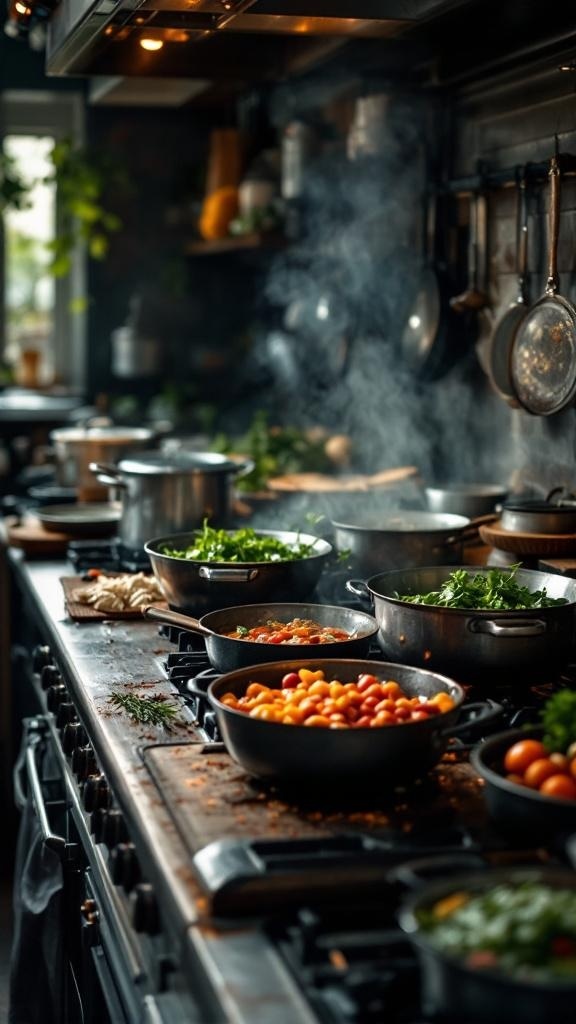
Batch cooking is a fantastic way to streamline your meal prep. The image shows a bustling kitchen filled with pots and fresh ingredients, all ready for action. This setup is perfect for making multiple meals at once, saving you time during the week.
Start by choosing a few recipes that share similar ingredients. For example, you can use tomatoes and greens in salads, soups, and pasta dishes. This not only cuts down on prep time but also reduces food waste.
Next, organize your cooking space. Having everything within reach makes the process smoother. Use large pots for cooking grains or soups, and smaller ones for sauces or side dishes. This way, you can have multiple dishes cooking simultaneously.
Don’t forget to label your containers! Once everything is cooked, portion out meals into individual servings and store them in the fridge or freezer. This makes it easy to grab a healthy meal when you’re in a hurry.
Batch cooking can feel overwhelming at first, but with practice, it becomes a breeze. You’ll find that having meals ready to go makes it easier to stick to your healthy eating goals.
Creating a Weekly Menu Plan
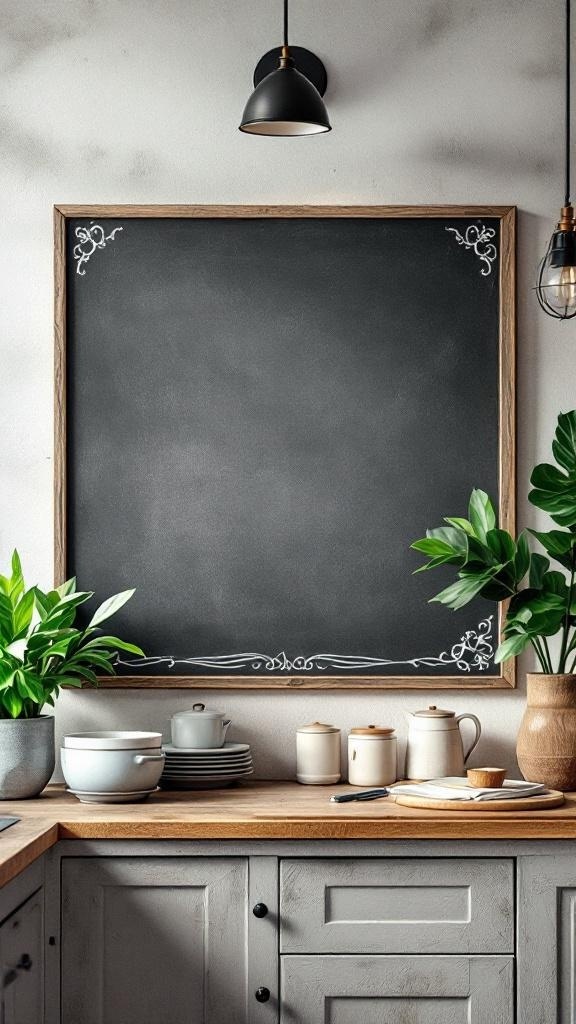
Planning meals for the week can feel overwhelming, but it doesn’t have to be. The image above shows a clean and organized weekly menu plan that can help you stay on track. A simple whiteboard with days of the week laid out makes it easy to visualize your meals.
Start by jotting down meals you enjoy. Think about breakfast, lunch, dinner, and snacks. This gives you a solid base to work from. You can even involve family members in the process. Ask them what they’d like to eat. This way, everyone feels included and excited about the meals.
Next, consider your schedule. If you know you’ll be busy on certain days, plan for quick meals or leftovers. For example, if you have a hectic Tuesday, maybe make a big batch of chili on Sunday that you can reheat. This saves time and keeps you from reaching for takeout.
Don’t forget to include a variety of ingredients. Try to mix proteins, veggies, and grains. This not only keeps meals interesting but also ensures you’re getting a balanced diet. You can use the empty spaces in the weekly plan to fill in your grocery list as you go.
Finally, make it fun! Use colorful markers or stickers to highlight different meals. This adds a personal touch and makes meal planning feel less like a chore. With a little creativity, your weekly menu can become a source of inspiration rather than stress.
GET 21 QUICK & EASY LOW-CALORIE MEAL PLANS
Storing Meals for Freshness and Convenience
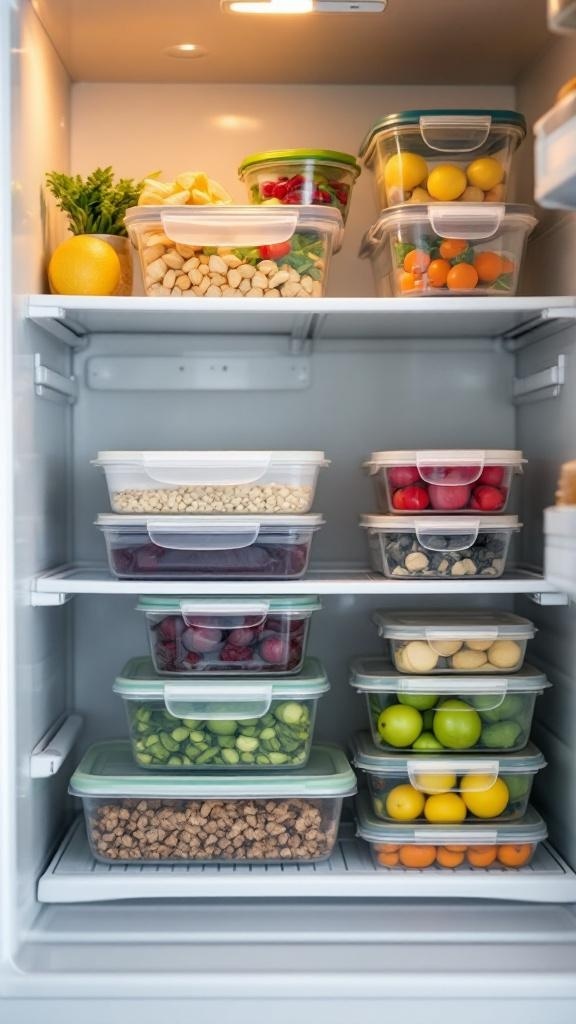
Keeping meals fresh and ready to go is key to a successful meal prep routine. The image shows a well-organized fridge filled with colorful containers of fruits, vegetables, and grains. This setup not only looks appealing but also makes it easy to grab what you need.
Using clear containers helps you see what you have at a glance. You can quickly spot your snacks or ingredients for your next meal. Labeling each container with the contents and date can also help you keep track of freshness.
Storing meals in portions is a game changer. It saves time during busy days and prevents food waste. You can prepare a variety of meals and store them in the fridge or freezer. This way, you always have something healthy on hand.
Don’t forget to use airtight containers. They keep your food fresh longer and prevent spills. Investing in good storage solutions makes a big difference in maintaining the quality of your meals.
Shopping Smart: Grocery List Essentials
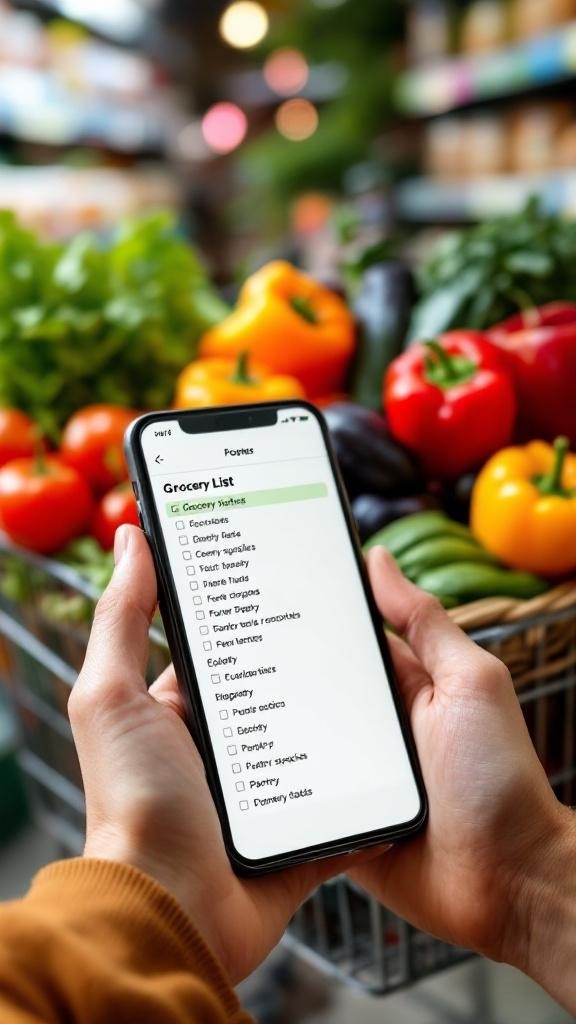
Creating a meal prep routine starts with smart shopping. The image shows a hand holding a smartphone displaying a grocery list, surrounded by a colorful array of fresh produce in a shopping cart. This visual perfectly captures the essence of organized grocery shopping.
Having a grocery list is a game changer. It helps you stay focused and prevents impulse buys. When you know what you need, you can navigate the store quickly. Plus, it makes meal planning so much easier.
Start by listing essential items. Think about your favorite meals and the ingredients you need. Fresh fruits and veggies should be at the top of your list. Items like broccoli, bell peppers, and leafy greens are great for various dishes.
Don’t forget proteins! Chicken, beans, and tofu are versatile options. Whole grains like brown rice or quinoa are also important for balanced meals. Keep your list handy on your phone, just like in the image, so you can check off items as you go.
Lastly, consider snacks and pantry staples. Nuts, yogurt, and whole grain bread can keep you satisfied between meals. A well-rounded grocery list sets the stage for a successful meal prep routine.
Incorporating Variety to Avoid Boredom
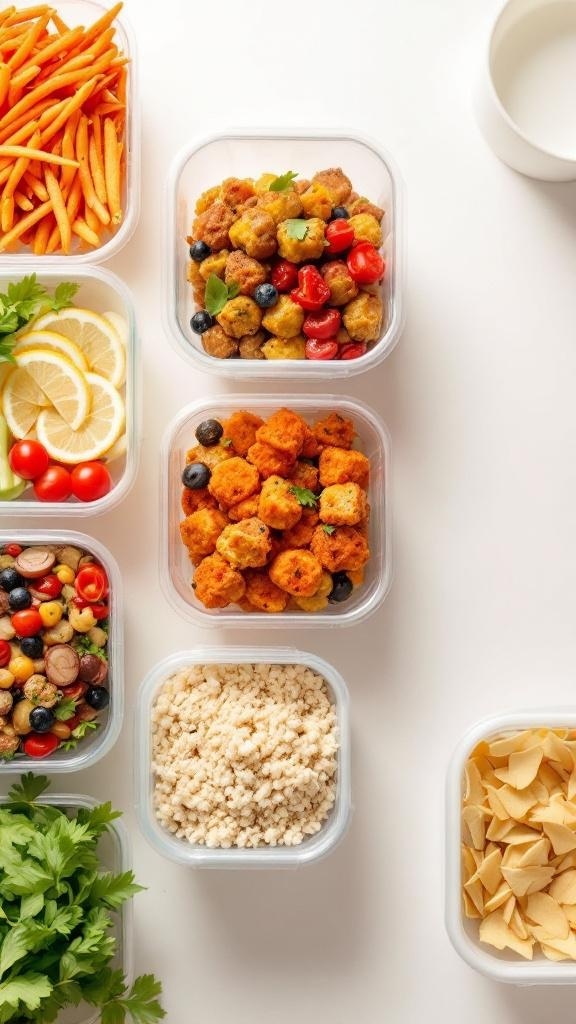
Meal prep can sometimes feel repetitive, but it doesn’t have to be. The image shows a colorful array of meal prep containers filled with different ingredients. You can see vibrant carrots, fresh herbs, and a mix of proteins and grains. This variety not only makes meals visually appealing but also keeps your taste buds excited.
To keep things fresh, try rotating your ingredients weekly. For example, use quinoa one week and brown rice the next. You can also switch up your proteins. Chicken, tofu, and chickpeas can all bring different flavors and textures to your meals.
Don’t forget about spices and sauces! A simple change in seasoning can transform a dish. Think about adding a zesty lemon dressing or a spicy salsa to your meals. This way, you can enjoy the same base ingredients but with a completely different taste.
Lastly, consider themed meals. One week could be Italian with pasta and marinara, while the next could be Mexican with beans and tortillas. This approach keeps meal prep fun and exciting!
GET 8-WEEKS OF WORKOUTS TO LOSE INCHES
Adjusting Portions for Balanced Nutrition
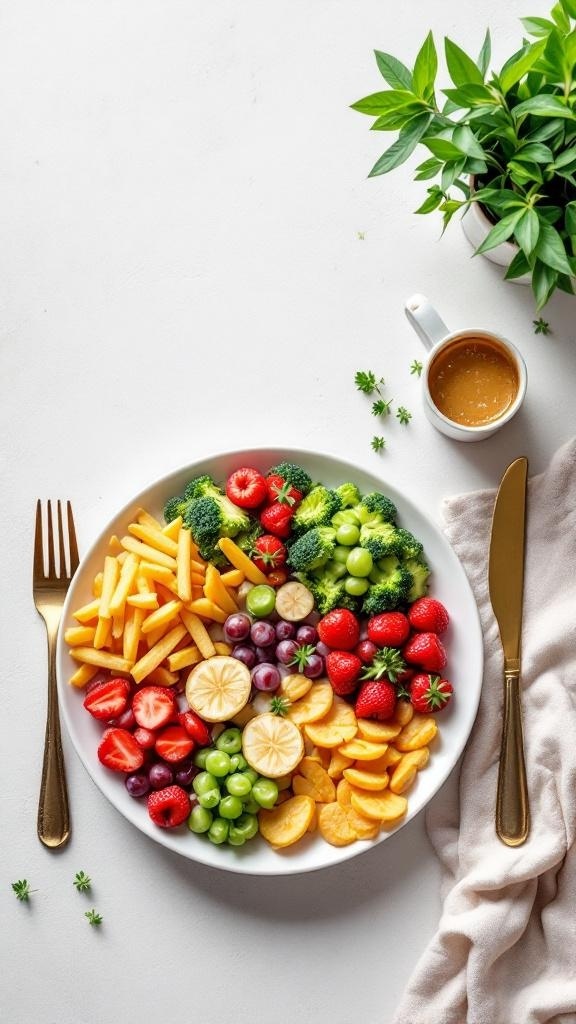
When it comes to meal prep, getting the portions right is key to balanced nutrition. The image shows a colorful plate filled with a variety of fruits and vegetables, along with some pasta. This vibrant mix not only looks appealing but also represents a good balance of nutrients.
To start, think about including a mix of food groups. The plate features broccoli, strawberries, grapes, and pasta, which can provide vitamins, minerals, and carbohydrates. Each food has its own benefits, so variety is important.
Next, consider how much of each item you need. A good rule of thumb is to fill half your plate with fruits and vegetables. This helps ensure you get enough fiber and essential nutrients. The other half can be divided between whole grains and proteins.
For example, if you're preparing meals for the week, you might use a cup of pasta, a cup of mixed fruits, and a cup of steamed broccoli. Adjust these amounts based on your personal needs, activity level, and dietary goals.
Lastly, don’t forget about healthy fats. A small serving of nuts or a drizzle of olive oil can enhance flavor and nutrition. The sauce in the image could be a tasty addition, too!
Identifying Personal Goals for Meal Prep
In the image, we see a person sitting at a table filled with fresh vegetables and fruits, preparing to jot down their meal goals. This moment captures the essence of planning and intention, which is key to building a successful meal prep routine.
Setting personal goals is the first step in creating a meal prep plan that works for you. Think about what you want to achieve. Are you aiming to eat healthier, save time during the week, or maybe try new recipes? Whatever your goals are, writing them down can help clarify your intentions.
With a variety of colorful ingredients around, it’s easy to get inspired. You might want to focus on incorporating more veggies into your meals or experimenting with different cuisines. The visual appeal of fresh produce can spark ideas for delicious meals.
Consider how many meals you want to prep each week. Start small if you’re new to meal prepping. Maybe aim for two or three meals to begin with. As you get comfortable, you can increase that number. The key is to make it manageable and enjoyable.
Don't forget to think about your lifestyle. If you have a busy week ahead, plan for quick and easy meals. On the other hand, if you have some free time, you might want to try more elaborate recipes. Tailoring your meal prep to fit your schedule will make it stick.
Staying Motivated with Meal Prep
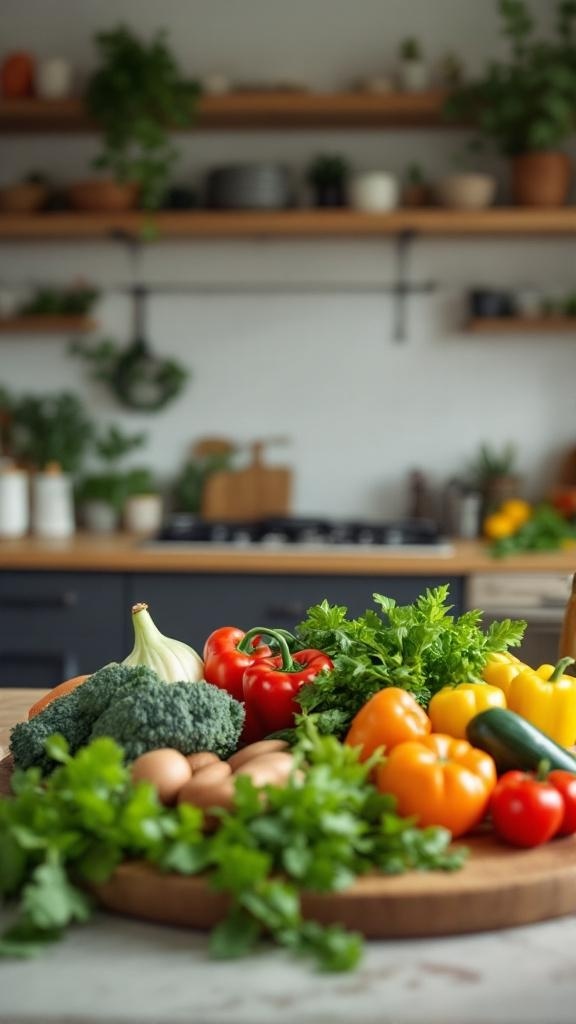
Meal prep can feel like a chore, but it doesn’t have to be. The image shows a bright kitchen filled with fresh vegetables and fruits, reminding us of the joy of cooking healthy meals. The vibrant colors of the produce inspire creativity and excitement in the kitchen.
The framed quote on the wall, though a bit jumbled, hints at the importance of making healthy choices. It serves as a gentle reminder that what we put into our bodies matters. This can be a great motivator to stick with meal prep.
To keep things fresh, try rotating your recipes weekly. Incorporate different ingredients to avoid boredom. You can also set aside a specific day for meal prep. This routine helps you stay organized and makes healthy eating easier throughout the week.
Don’t forget to have fun with it! Experiment with new recipes or involve family and friends. Cooking together can make meal prep feel less like a task and more like a fun activity.
Evaluating and Tweaking the Routine
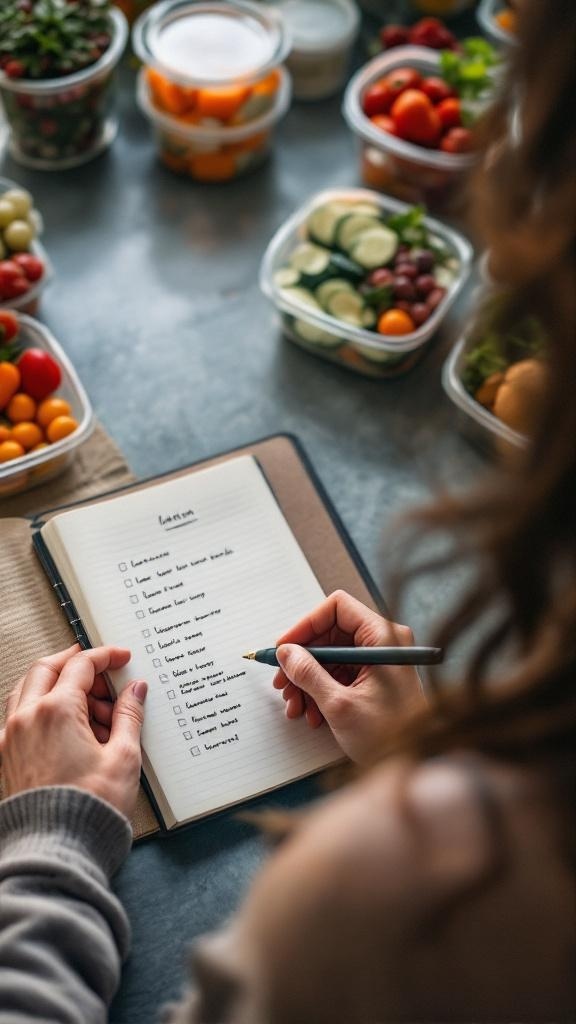
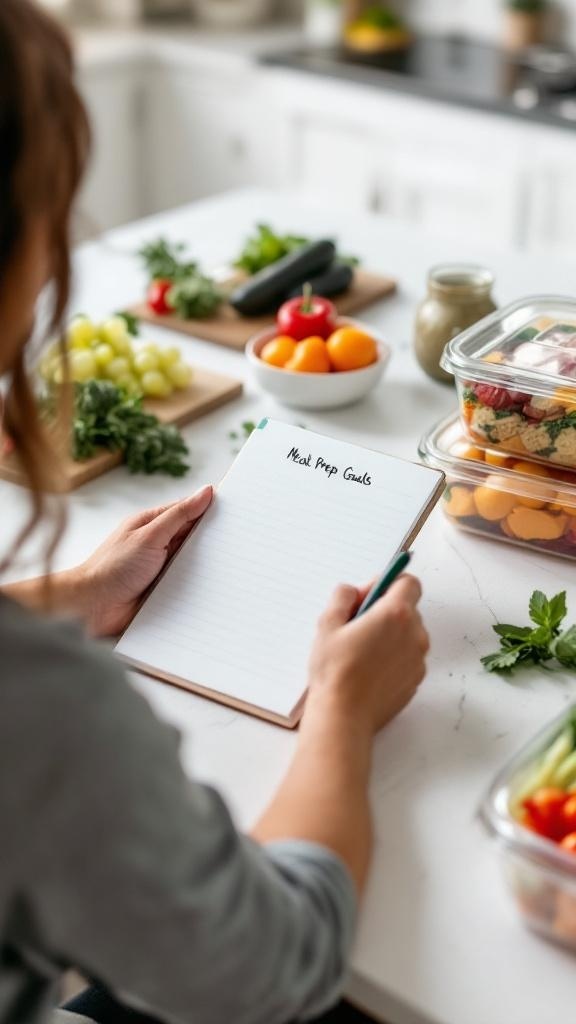
In the image, we see a person writing in a notebook, surrounded by colorful containers filled with fresh ingredients. This scene captures the essence of meal prepping—planning and organizing meals for the week ahead.
When I first started meal prepping, I quickly realized that having a solid routine was key. However, sticking to that routine required some evaluation and tweaking. I found that not every plan worked perfectly for me. Sometimes, I would overestimate how much food I could eat or underestimate my time constraints.
To make my routine effective, I began by keeping a checklist, just like the one in the image. This helped me stay organized and focused on what I needed to prepare. I would jot down meals for the week, ensuring I had a good mix of proteins, veggies, and carbs. This way, I could easily adjust my shopping list based on what I had on hand.
After a few weeks, I noticed that some meals were more popular than others. I started to rotate recipes, keeping things fresh and exciting. If a dish didn’t get eaten, I would swap it out for something new. This flexibility made meal prepping enjoyable rather than a chore.
Another important aspect was to evaluate my time. I learned to set aside a specific day for prepping, making it a part of my weekly routine. This consistency helped me stick to my plan and made it easier to adjust when life got busy.
Struggling to Stay on Track with Your Eating?
You’re not alone. One of the biggest obstacles I see people
face is not knowing what to eat. Between busy schedules, endless diet
advice online, and trying to cook healthy meals that actually taste good—it’s
easy to feel stuck or overwhelmed.
That’s why I created my 21 Quick & Easy Custom
Low-Calorie Meal Plans Program. These plans are built specifically for
you—your goals, your lifestyle, and your food preferences. You won’t find
any cookie-cutter diets here. Just real, satisfying meals that help you stay
full, energized, and on track without the stress.
✅ No more guessing.
✅
No more skipping meals or eating “diet food” you hate.
✅
Just a clear, doable plan that fits your life.
👉 Ready to eat better,
feel better, and finally make progress? [Click here to get your custom meal plans today.]
Not Seeing the Inches Drop No Matter What You Do?
If you’re working out but still not seeing the results in
the mirror, I hear you. So many people come to me after months of doing cardio
or random workouts—and still struggling to lose inches or tone up. The truth
is, your body needs more than just movement. It needs a proven strategy.
My 8-Week Workout Program to Lose Inches is designed
to do just that—burn fat, tighten up, and give you visible results.
These workouts are fun, effective, and designed for real people with real
lives. Whether you’re getting back into fitness or ready to take it to the next
level, this program gives you a clear path to success.
✅ Just 8 weeks to build strength,
confidence, and a fitter shape.
✅
No endless cardio.
✅
No gym required (unless you want it).
👉 If you're ready to
drop inches and feel amazing in your own skin, [click here to start the 8-Week Workout Program].


Comments
Post a Comment